
This article contains affiliate links. We may earn a commission if you buy through our links, at no extra cost to you.
Best Supplements for Men’s Heart Health in 2026
Heart disease is the leading cause of death in men, and most of the damage accumulates silently through your 30s and 40s before it becomes a problem you can’t ignore. The best supplements for men’s heart health don’t replace a good diet or regular exercise — but for men who are already doing the basics and want targeted nutritional support, the right supplements make a measurable difference in the markers that actually predict cardiovascular risk: triglycerides, LDL particle size, blood pressure, and inflammation.
After researching the clinical literature on cardiovascular supplementation specifically for men and comparing the evidence behind each category, here is what actually works in 2026 — and what’s mostly expensive reassurance.
This guide is for men in their 30s, 40s, and 50s who want to be proactive about heart health without wading through marketing noise.
Quick Answer
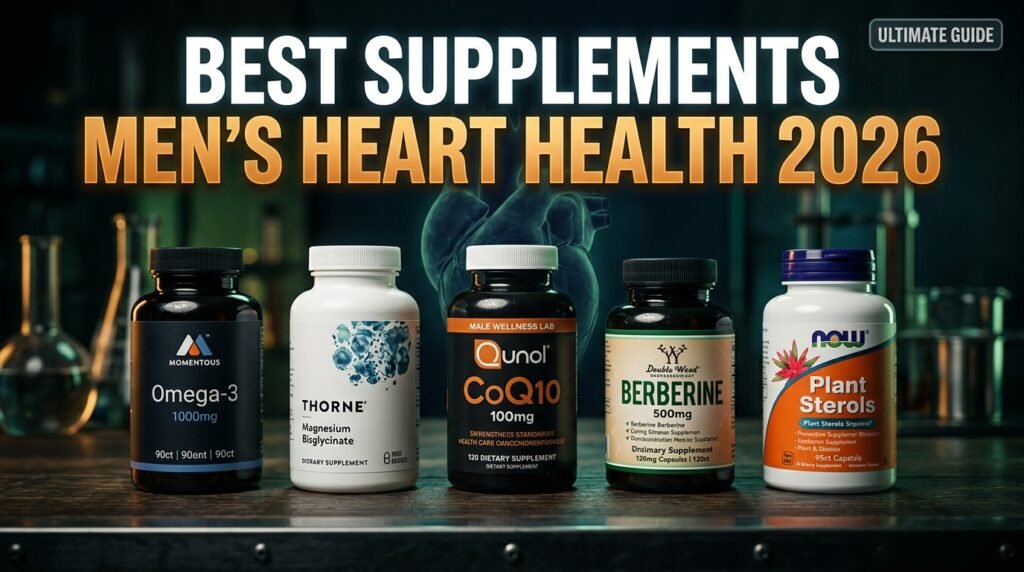
The two supplements with the strongest evidence for men’s heart health are Momentous Omega-3 (1.6g EPA+DHA daily, triglyceride form) and Thorne Magnesium Glycinate (400mg daily). Both address common deficiencies in men eating a standard Western diet, both have extensive clinical backing, and both produce measurable improvements in cardiovascular markers within 8-12 weeks of consistent use. Everything else on this list is worth adding once those two are in place.
Why Men’s Heart Health Needs Specific Attention After 30
The cardiovascular risk profile of men shifts meaningfully after 30, and most men don’t know it’s happening until a routine blood test flags elevated triglycerides or a doctor mentions borderline blood pressure.
Testosterone decline plays a direct role. Testosterone has a protective effect on cardiovascular tissue — it supports healthy lipid metabolism and reduces arterial inflammation. As testosterone drops roughly 1% per year from age 30, that protective effect diminishes, and LDL cholesterol tends to rise while HDL falls. It’s not dramatic year-to-year, but over a decade the cumulative shift in lipid profile is significant.
Chronic stress compounds this. Elevated cortisol raises blood pressure, promotes visceral fat accumulation around the organs, and drives systemic inflammation — all of which increase cardiovascular risk independently of diet. Men in high-pressure careers who are otherwise healthy frequently show cardiovascular markers that don’t match their lifestyle because stress management is the variable they’re not addressing.
The counterintuitive point: supplements for heart health work best as targeted corrections to specific deficiencies, not as broad insurance policies. A man who is deficient in omega-3s and magnesium — which describes the majority of men eating a standard American diet — will see meaningful improvement from supplementing those two nutrients. A man who already has optimal omega-3 status from eating fatty fish three times a week will see marginal additional benefit from a fish oil capsule. Know your baseline before spending money on a full heart health stack.
For men managing stress as part of their cardiovascular strategy, see our guide on how to increase testosterone naturally — the lifestyle factors that support testosterone production overlap significantly with those that reduce cardiovascular risk.
The Ingredients With Real Cardiovascular Evidence
Not every supplement marketed for heart health has meaningful clinical support. These are the ones that do.
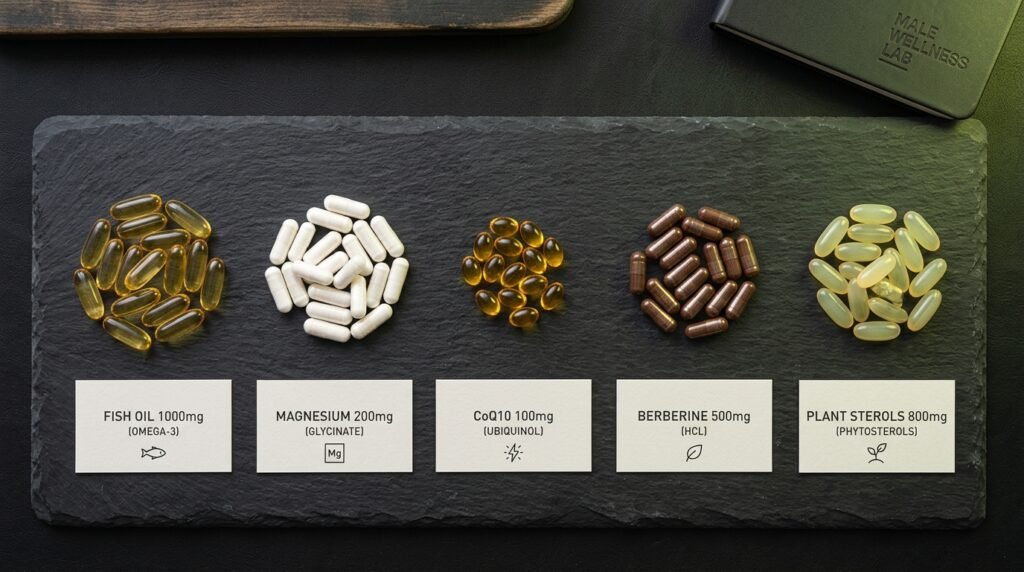
Omega-3 fatty acids (EPA and DHA) are the most extensively studied cardiovascular supplements available. EPA reduces triglycerides and arterial inflammation. DHA supports healthy blood pressure and endothelial function. A 2019 meta-analysis of 13 trials found omega-3 supplementation at 2-4g EPA+DHA daily reduced cardiovascular events by approximately 25% in high-risk populations. The key variable is dose — most standard fish oil capsules contain 300-500mg combined EPA+DHA per capsule, meaning you need 4-8 capsules to hit the therapeutic range. Concentrated fish oil products in triglyceride form are the practical solution.
Magnesium is involved in over 300 enzymatic processes in the body, including blood pressure regulation, heart rhythm maintenance, and arterial muscle relaxation. Approximately 50% of American men consume below the recommended daily intake of 420mg. Low magnesium is independently associated with elevated blood pressure, increased arterial stiffness, and higher cardiovascular risk. Magnesium glycinate is the most bioavailable form for daily supplementation.
Coenzyme Q10 (CoQ10) supports mitochondrial energy production in cardiac muscle cells and acts as a fat-soluble antioxidant. Men taking statins have a specific clinical rationale — statins deplete endogenous CoQ10 production, and supplementation at 100-200mg daily restores depleted levels. Ubiquinol is the active, more bioavailable form versus standard ubiquinone.
Berberine has emerged as one of the most evidence-backed supplements for lipid and blood sugar management. Studies show berberine at 500mg three times daily reduces LDL cholesterol by 15-25% and triglycerides by 20-35% in men with elevated baseline levels. The mechanism involves AMPK activation, the same pathway targeted by metformin.
Plant sterols block dietary cholesterol absorption in the gut, reducing LDL by approximately 10-15% at 2g daily through a purely mechanical mechanism — no systemic absorption required.
For men who want to understand how sleep quality connects to cardiovascular health, see our guide on the best supplements for sleep for men — chronic sleep deprivation is one of the most consistent independent cardiovascular risk factors in men.
The 5 Best Supplements for Men’s Heart Health in 2026
1. Momentous Omega-3 — Best Fish Oil (~$50/30 servings)
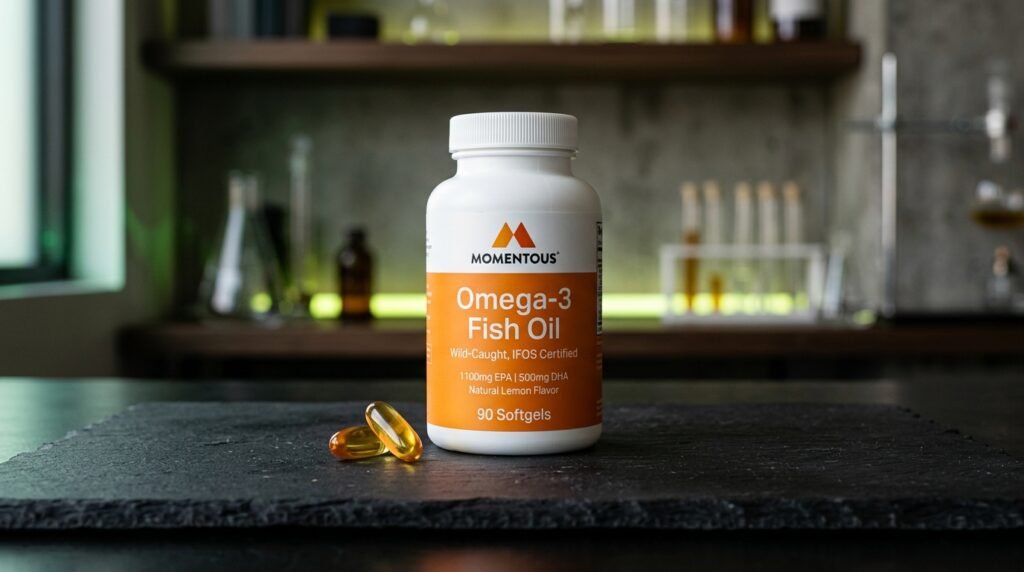
Momentous Omega-3 delivers 1,600mg combined EPA+DHA per serving — in triglyceride form, the most bioavailable molecular structure for omega-3 supplementation. Triglyceride form absorbs approximately 70% better than ethyl ester form used in most budget fish oil products, and absorbs consistently with or without food. NSF Certified for Sport, sourced from anchovies, sardines, and mackerel with some of the lowest mercury levels in commercial fish. No fishy aftertaste — one of the most consistent reasons men quietly stop taking cheaper fish oil options.
At 1,600mg EPA+DHA per two-capsule serving, you reach the lower therapeutic threshold at one serving and the clinical cardiovascular dose at two servings daily. Most men find one serving (two capsules) is the practical daily dose for long-term cardiovascular maintenance.
Real-world detail: a man with triglycerides at 180mg/dL taking 2 servings of Momentous Omega-3 daily for 12 weeks will typically see a 20-30% reduction — one of the most reproducible supplement effects in cardiovascular research.
Pros: Triglyceride form for superior absorption, NSF Certified for Sport, no fishy aftertaste, 1,600mg EPA+DHA per serving, low mercury sourcing, non-GMO, gluten-free. Cons: $50/month is significantly above budget fish oil, 30 servings per container, two-capsule serving at minimum therapeutic dose.
2. Thorne Magnesium Glycinate — Best for Blood Pressure and Heart Rhythm (~$28-35/90 servings)
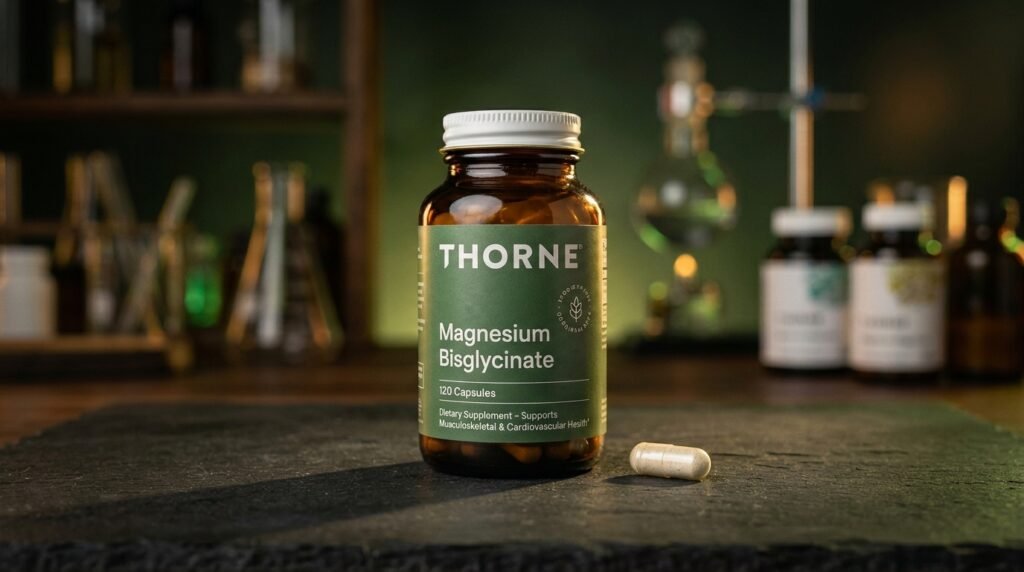
Thorne Magnesium Glycinate is the magnesium supplement we’d recommend to virtually every man over 30 regardless of specific cardiovascular concerns. 200mg elemental magnesium per serving as bisglycinate — the most bioavailable and digestive-friendly form, absorbing significantly better than magnesium oxide without the loose stool side effect that derails compliance. NSF Certified for Sport, pharmaceutical-grade manufacturing, four-round testing protocol.
Magnesium deficiency is pervasive — approximately 50% of American men don’t meet the 420mg RDA through diet alone — and the cardiovascular consequences are well-documented. A 2012 meta-analysis found that each 100mg per day increase in magnesium intake was associated with an 8% reduction in total cardiovascular disease risk. At 90 servings per bottle, it’s the best value NSF-certified magnesium available.
Pros: NSF Certified for Sport, bisglycinate form for maximum absorption and digestive tolerance, 90 servings per bottle, supports blood pressure and heart rhythm, pharmaceutical manufacturing, no laxative effect at standard doses. Cons: 200mg per serving — men targeting 400mg daily take two capsules, premium price versus generic magnesium oxide.
3. Qunol Mega Ubiquinol CoQ10 100mg — Best CoQ10 (~$30-40/100 servings)
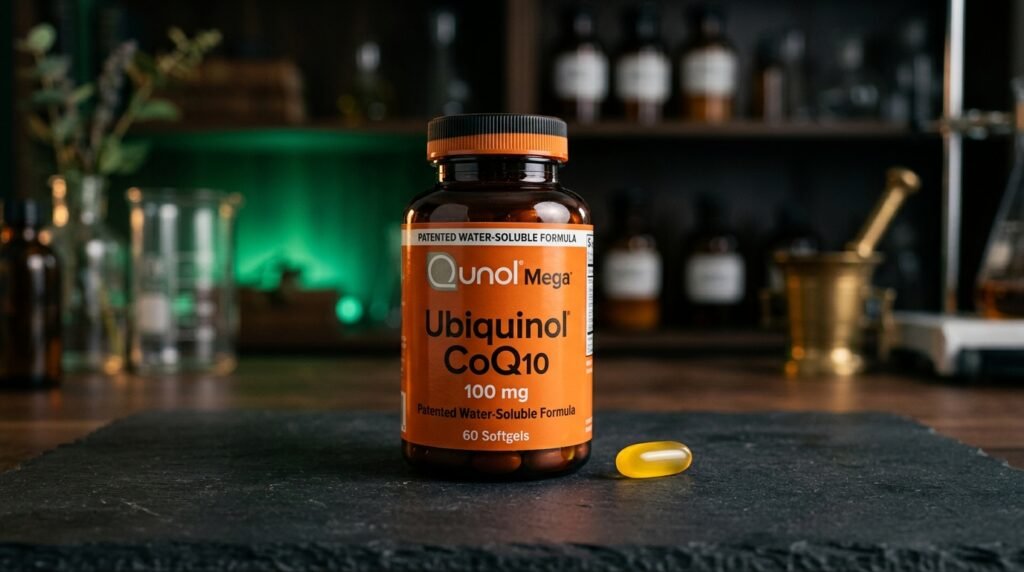
Qunol Mega Ubiquinol uses the active ubiquinol form of CoQ10 in a patented water and fat-soluble formulation — absorbing significantly better than standard ubiquinone CoQ10 that dissolves poorly in both water and fat. The #1 cardiologist-recommended CoQ10 form, beneficial specifically for statin users whose medications block the same biosynthetic pathway that produces CoQ10, reducing endogenous levels by up to 40%.
100mg ubiquinol per softgel, 100 softgels per bottle — a 100-day supply at one softgel daily. The water and fat-soluble formulation absorbs consistently regardless of meal timing, which matters for a fat-soluble supplement that standard formulations require to be taken with fatty food.
The honest truth about CoQ10: the cardiovascular evidence is strongest for statin users and men over 50 where endogenous CoQ10 production has meaningfully declined. For healthy men in their 30s who aren’t on statins, omega-3 and magnesium should be established first.
Pros: Ubiquinol active form, patented water and fat-soluble absorption, 100-day supply, cardiologist recommended, beneficial for statin users, consistent absorption regardless of meal timing. Cons: Softgel contains gelatin — not suitable for vegans, weaker evidence for general cardiovascular use in healthy younger men, best value when purchased as larger count bottles.
4. Double Wood Berberine 500mg — Best for Lipid and Blood Sugar Management (~$18-22/60 caps)
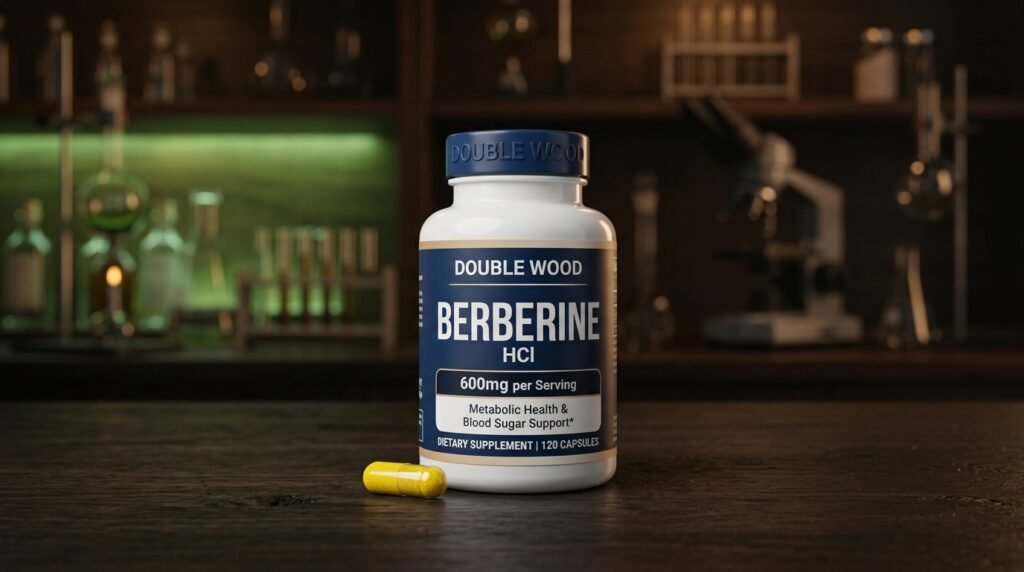
Double Wood Berberine delivers 500mg of pure berberine HCl per capsule — the exact dose used in clinical research, in a single-capsule serving that makes dosing straightforward. Third-party tested for purity and heavy metals, manufactured in a GMP-certified US facility, non-GMO, gluten-free, and vegan. The clinical protocol is 500mg three times daily with meals, totaling 1,500mg per day — one bottle provides a 20-day supply at full therapeutic dose.
For men with elevated triglycerides, borderline high LDL, or blood sugar markers trending in the wrong direction, berberine’s AMPK activation mechanism produces measurable improvements in 4-6 weeks. What most reviews won’t tell you is that berberine causes mild GI discomfort in the first 1-2 weeks — starting at one capsule daily and increasing to three over two weeks eliminates this in most men.
Pros: 500mg per capsule at exact clinical dose, single-capsule serving, third-party tested, GMP-certified US manufacturing, vegan, non-GMO, gluten-free, strong lipid and blood sugar evidence. Cons: Three capsules daily at full dose requires consistency, mild GI discomfort in first 1-2 weeks, should not be combined with certain medications without medical supervision, 60 caps = 20-day supply at full dose.
5. NOW Foods Beta-Sitosterol Plant Sterols — Best for LDL Reduction (~$25-35/180 softgels)
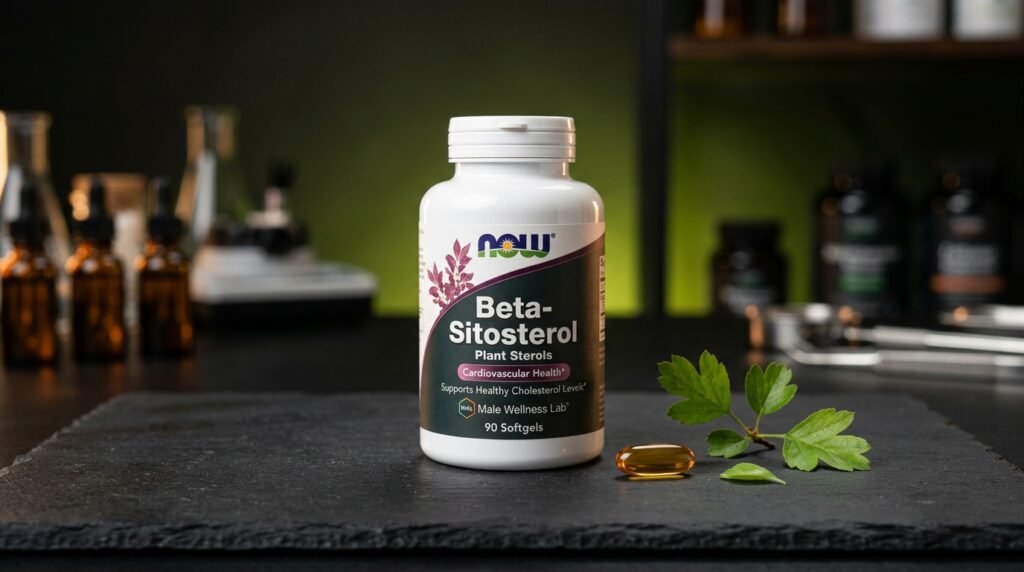
NOW Foods Beta-Sitosterol Plant Sterols uses CardioAid-S — a patented combination of beta-sitosterol, campesterol, and stigmasterol plant sterol esters — at 1,000mg per two-softgel serving, in a base of fish oil that improves absorption. Two servings daily (4 softgels) with meals reaches the 2g plant sterol threshold shown in studies to reduce LDL by 10-15%.
Plant sterols work through a purely mechanical process — they compete with dietary cholesterol for absorption sites in the gut, reducing how much cholesterol enters circulation from food. No systemic absorption, no drug interactions at standard doses, well-tolerated for long-term daily use. The FDA has authorized a qualified health claim for plant sterols and reduced cardiovascular disease risk — one of the few supplement categories with this regulatory recognition.
At 180 softgels per bottle at $25-35, the cost per day at 4 softgels is approximately $0.55-0.78 — reasonable for a clinically documented LDL reduction mechanism.
Pros: CardioAid-S patented plant sterol esters, FDA qualified health claim, purely mechanical LDL reduction mechanism, fish oil base for absorption, no systemic absorption or drug interactions, 180 softgels per bottle. Cons: 4 softgels daily at therapeutic dose, must be taken with meals containing dietary fat, no triglyceride or blood pressure benefit, effects plateau at 2g daily.
Comparison Table
| Product | Price/Month | Mechanism | Best For | Rating |
|---|---|---|---|---|
| Momentous Omega-3 | ~$50 | Triglyceride reduction + anti-inflammation | Foundation cardiovascular support | 9.5/10 |
| Thorne Magnesium Glycinate | ~$18 | Blood pressure + heart rhythm | Most men over 30 | 9.5/10 |
| Qunol Mega Ubiquinol | ~$10-12 | Mitochondrial energy + antioxidant | Statin users + men over 50 | 8.5/10 |
| Double Wood Berberine | ~$27 | AMPK activation + LDL + blood sugar | Elevated lipid or blood sugar markers | 8.5/10 |
| NOW Plant Sterols | ~$17 | Cholesterol absorption blocking | LDL reduction specifically | 8/10 |
What to Look for When Choosing Heart Health Supplements
1. Address deficiencies first, not general insurance The supplements that produce the most meaningful cardiovascular results are the ones correcting actual deficiencies — omega-3s and magnesium for most men eating a standard Western diet. A comprehensive heart health stack built on top of adequate omega-3 and magnesium status will produce better results than an expensive multi-ingredient formula that doesn’t address your specific gaps.
2. Dose matters more than brand Most men taking fish oil are taking an ineffective dose. A standard 1,000mg fish oil capsule contains 300mg EPA+DHA — you need 6-8 of those to reach the 2g therapeutic threshold. Check the EPA+DHA content specifically, not the total fish oil weight. Always verify elemental magnesium content, not total compound weight.
3. Form determines absorption Magnesium glycinate absorbs better than oxide. Omega-3 triglyceride form absorbs better than ethyl ester. CoQ10 ubiquinol absorbs better than ubiquinone in men over 40. These aren’t marginal differences — they determine whether the supplement reaches the tissue it’s supposed to support at a therapeutic concentration.
4. Third-party testing for daily cardiovascular use For supplements taken specifically to support cardiovascular health, label accuracy matters. Heavy metal contamination in fish oil is a real concern with unverified products. NSF Certified for Sport or Informed Sport certification provides independent verification. Thorne and Momentous both carry NSF certification. Double Wood is third-party tested by independent labs.
5. Realistic timelines before evaluating Omega-3s take 8-12 weeks to meaningfully shift triglycerides and inflammation markers. Magnesium takes 6-8 weeks to show blood pressure effects. Plant sterols take 4-6 weeks for measurable LDL reduction. Berberine shows lipid effects within 4-8 weeks at therapeutic dose. Evaluate any heart health supplement over a minimum 12-week period before concluding whether it’s working.
FAQ
What are the most evidence-backed supplements for men’s heart health?
Omega-3 fatty acids (EPA+DHA) and magnesium have the strongest and most consistent clinical evidence for cardiovascular support in men. Both address common nutritional gaps in men eating a standard Western diet, both have decades of research behind them, and both produce measurable improvements in primary cardiovascular markers — triglycerides, blood pressure, arterial inflammation — within 8-12 weeks of consistent use at therapeutic doses.
Can heart health supplements replace medication?
No. Supplements support cardiovascular health within the context of a healthy lifestyle — they are not replacements for prescribed medications when clinically indicated. Men with diagnosed cardiovascular disease, significantly elevated LDL, or hypertension requiring medication should use supplements as adjuncts to medical treatment, not alternatives. Always discuss supplementation with a doctor if you’re on cardiovascular medications, particularly statins, blood thinners, or blood pressure drugs.
How long before heart health supplements produce measurable results?
Most cardiovascular supplements require 8-12 weeks of consistent daily use before producing measurable changes in blood markers. Getting baseline bloodwork done before starting and retesting at 12 weeks is the most reliable way to assess whether a supplement is actually working for your specific markers. Men who evaluate at 4 weeks and conclude nothing is working are consistently cutting the timeline short.
Is fish oil worth taking if I already eat salmon regularly?
It depends on frequency. A 3oz serving of Atlantic salmon contains approximately 1.5-2g EPA+DHA. Men eating fatty fish 3-4 times per week at adequate portions may approach sufficient omega-3 status from diet alone. Men eating fish once a week or less are almost certainly below therapeutic omega-3 levels and will see meaningful cardiovascular benefit from supplementation. An omega-3 index blood test — available through direct-to-consumer labs — measures your actual status and removes the guesswork.
Our Final Verdict
The best supplements for men’s heart health start with two things: Momentous Omega-3 at therapeutic EPA+DHA dose and Thorne Magnesium Glycinate at 400mg daily. These two address the most common cardiovascular nutritional gaps in men with the strongest clinical evidence. Add Double Wood Berberine if lipid or blood sugar markers need targeted support. Add Qunol Mega Ubiquinol if you’re on a statin or over 50. Add NOW Plant Sterols if LDL reduction is a specific goal. Build the foundation before adding complexity. Check current pricing on Amazon for all five supplements.